
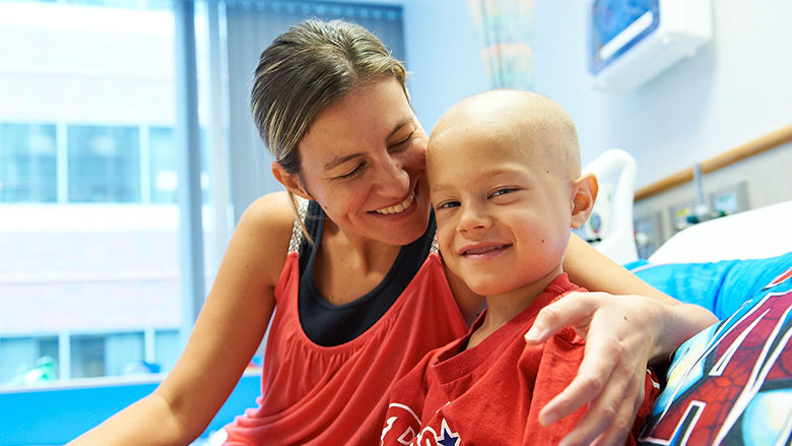
Every June we recognize and celebrate National Cancer Survivors Month, and the first Sunday in June is set aside to celebrate National Cancer Survivors Day. Many are aware of the battle fought daily by people facing a cancer diagnosis. However, most people don’t consider that when the battle is won, victory looks different for everybody. Some are able to go back to life more or less as it was before diagnosis, while others must adjust to a new normal, despite being cancer-free. Cancer survivors include those currently in the fight, those navigating a new way of living in remission, and people breathing a cancer-free sigh of relief. Setting aside time to honor the strength and resilience of cancer survivors is important, as it helps us see how amazing, hopeful, and innovative the human race is even if the cards are stacked against us. This year, the theme for National Cancer Survivors Month is a celebration of life.
Honoring Survivors
Once cancer has touched a person’s life, it is never the same for them. Cancer survivors possess the strength and resilience necessary to endure not only the pain and discomfort caused by the actual cancer but also the myriad of distressing side effects of treatment. In addition to this, they carry the mental strain of rearranging their entire lives to incorporate treatment and the emotional upheaval caused by the uncertainty of the treatment’s success. Social challenges can pose another hurdle for cancer survivors as many face issues with body image, including new physical baselines and limitations. For more insight on that, you can read Brian Quinta’s blog post, How to Help Cancer Patients with Self-Esteem and Body Issues (heretoservedev.mystagingwebsite.com/). Cancer survivors are a testament to the incredible adaptability of human beings, and there are more survivors every year.
Advancements in medicine and treatment options have resulted in a steadily increasing number of cancer survivors. According to the National Cancer Institute, there were 18.1 million cancer survivors in 2022, and that number goes up every passing year, with 69% living more than 5 years after diagnosis. More positive statistics reveal that 80% of children survive a cancer diagnosis. This means that every June, there are more people to celebrate and honor during National Cancer Survivors Month.
Celebrating Life
While the fact that there are more survivors is wonderful news, the survivors themselves have had to deal with the toughest situations life can throw at them. Despite this, many survivors maintain their optimism. In the words of Ciara Toth, acute lymphoblastic leukemia survivor, “Some of life’s sourest lemons make the best lemonade.” There are many cancer survivors who live vibrant and hopeful lives long after their initial diagnosis. Television actress Sofia Vergara was diagnosed with thyroid cancer at age 28. After treatment, she still enjoys her family and a successful career. Stephanie Williams, a nurse and young mother, candidly shared her journey with lung cancer on TikTok and became a star. David Sturge -who quit smoking 20 years before his diagnosis- dealt with the stigma of being a former smoker with lung cancer and then went on to found the Lung Cancer Foundation of America. The Torres family had a rocky start to their cancer journey. They spent a month taking their 6 year old daughter Danielle to her primary care doctor, repeatedly being told she had a virus. They had to push for the tests Danielle needed to confirm their fears and four long years later, their daughter was cancer-free. Read more about her journey here: Celebrating Survivorship: The Story of the Torres Family – Here To Serve. To paraphrase an old song, it’s not about the cards one is dealt in life, but how a person chooses to play their hand. These cancer survivors chose to live their lives after diagnosis by being their most authentic selves, full of hope no matter what may come. This is a beautiful way to view life and a lesson we all would do well to learn.
How can we celebrate these brave, innovative, irrepressible people this month? The biggest way is to raise awareness! There’s a whole website dedicated to National Cancer Survivors Month Home – National Cancer Survivors Day® (ncsd.org) with links that help you organize events to raise awareness or funds to support cancer research and survivors. You can also find many ways to volunteer to help different cancer support organizations, such as Here to Serve Volunteer Opportunities – Here To Serve and the American Cancer Society Volunteer Opportunities (cancer.org). If you’re looking for fun activities to do with cancer survivors, the National Cancer Survivors Day website Step 4: Choose a Theme – National Cancer Survivors Day® (ncsd.org) has ideas from making quilt squares representing the cancer journey to riding roller coasters! The MD Anderson Center is hosting several virtual events for National Cancer Survivors Day. There will be support groups, skin care, and make-up classes, guided meditation, chair yoga, and vision board videos Survivorship Week | MD Anderson Cancer Center. Another way to celebrate is to share your story.
Sharing Your Story
If you’re a cancer survivor, other cancer survivors and their families need to hear your story. Realizing that there are others out there facing similar difficulties helps those going through it feel less alone. You may have some wisdom or insight that provides timely inspiration for someone during their darkest hour. This is especially important for people newly diagnosed with cancer, as many still perceive it to be a death sentence. For long-time survivors, reading cancer survival stories could help them feel validated because a person’s life is very different after cancer, even if it doesn’t seem like it to anyone else. There are plenty of social media platforms and groups you can use for sharing your cancer survivorship story. If you don’t have social media, there are websites such as Share Your Story | Cancer Stories | CURE (curetoday.com) or Share Your Story | Get Involved | AACR Foundation. There is a whole tribe of people united by the fact that they have had to deal with cancer; your voice will be heard.
Survivorship Care
Cancer survivorship is more than just living with cancer in your rearview. Survivorship care is imperative for your long-term health. The National Coalition of Cancer Survivorship describes survivorship as, “living with, through, and beyond a cancer diagnosis.” The importance of survivorship care cannot be overstated. Their website includes a resource to start your own personal cancer survivorship checklist Survivorship Checklist – NCCS – National Coalition for Cancer Survivorship (canceradvocacy.org). The checklists ask in-depth questions that you, as a cancer survivor, need to think about during and after treatment. The checklist covers topics like fertility, financial health, emotional support, caregiver training, and who would make decisions if you weren’t capable of it. It gives you the opportunity to think about these things before you see your doctor, so you’re prepared to ask them for the support and resources you’ll need for the decisions you’ve made. A comprehensive list of links to resources for cancer survivors, from support groups and survivorship care plans to financial resources, can be found here: Cancer Survivorship Issues – National Cancer Survivors Day® (ncsd.org). If you need financial assistance, there are co-pay assistance programs that can help as well, such as the HealthWell Foundation, the CancerCare Co-payment Assistance Foundation, the Pink Fund, and others you can read about here: Cancer Foundations and Advocate Resources for Cancer Patients (heretoservedev.mystagingwebsite.com/). Taking advantage of your resources is simply another way to acknowledge National Cancer Survivors Month.
Ways to Get Involved
This month is celebrated not just by cancer survivors but by their friends and loved ones as well. Chances are, if you’re reading this, cancer has been a part of your life in some way. There are plenty of ways you can acknowledge the significance of this month. One way is to volunteer your time or donate to cancer care organizations such as Here to Serve Secure Online 2024 Holiday Donation Form (salsalabs.org), the National Cancer Survivors day organization Make a Donation – National Cancer Survivors Day® (ncsd.org), or the Children’s Cancer Research Fund Children’s Cancer Research Fund (childrenscancer.org). You can also find cancer survivors in your community and offer them your support, either by lending an ear or a helping hand. Another way to get involved is by staying abreast of current legislation and voting for candidates that will make cancer care more accessible for everyone.
Conclusion
National Cancer Survivors Month this June is about celebrating life. New research in cancer care means a cancer diagnosis no longer needs to be viewed as the end of everything. A cancer diagnosis will indeed change a person’s life, but good survivorship care, remaining positive, and having support can make the journey a little easier. So be a part of celebrating National Cancer Survivor Month. Use your voice on social media to share survivorship stories and raise awareness. Use your presence at events like cancer walks to show your support. Use your time to volunteer for cancer care organizations like summer camps for cancer kids to make an impact. If you’re able to donate financially, donate. To quote the Dali Lama, “Just as ripples spread out when a single pebble is dropped into the water, the actions of individuals can have far-reaching effects.” If you’re a cancer survivor, the fact that you’ve made it to see June 2024 is the pebble. Enjoy watching your ripples this month.
Sources & Resources:
- About National Cancer Survivors Day® – National Cancer Survivors Day® (ncsd.org)
- Statistics and Graphs | Division of Cancer Control and Population Sciences (DCCPS)
- 6 ways childhood cancer is different to adult cancer (cclg.org.uk)
- Inspiring quotes from cancer patients and survivors | MD Anderson Cancer Center
- 40 Celebrities Who Have Battled and Survived Cancer (prevention.com)
- TikTok Star With Lung Cancer: Stephanie Williams | LCFA (lcfamerica.org)
- Smoking and Lung Cancer: David Sturges’ Story | LCFA (lcfamerica.org)
- Survivorship Week | MD Anderson Cancer Center
- What is Survivorship? Cancer Survivorship Care | Massachusetts General Hospital (massgeneral.org)
- Home – NCCS – National Coalition for Cancer Survivorship (canceradvocacy.org)
- Congress Considers FY24 Appropriations Bill That Prioritizes Cancer Research and Proven Cancer Screening Funding Amidst Difficult Budget Cycle | American Cancer Society Cancer Action Network (fightcancer.org)