

If you’re reading this, you likely know all too well the emotional and physical toll cancer can take on everyone affected. For some, it helps to connect with others on the cancer journey to celebrate the lives of loved ones. Whether you’re a caregiver, cancer survivor, or someone who has lost a loved-one to cancer, a celebration of life ceremony can be a powerful way to honor the resilience, strength, and achievements of someone affected by cancer.
What is a Celebration of Life?
Traditionally, celebrations of life are farewell ceremonies where people gather to honor the life of a deceased loved one. Loved ones typically share happy memories of the deceased and honor their loved one’s achievements.
Celebrations of life have a lot in common with funerals, but while traditional funerals tend to dwell on mourning and loss, celebrations of life focus on the joy deceased loved ones brought to others, the experiences they shared, and the impact the deceased had on their lives.
Why is a Celebration of Life Important to the Cancer Community?
For the cancer community, a celebration of life is a way to share hope, inspiration, and community support. The cancer journey can be daunting and isolating, but through celebrations of life, people affected by cancer can connect and find strength in each other.
In the cancer community, celebration of life ceremonies are not just for the deceased. It’s common to celebrate the lives of caregivers, survivors, and loved ones affected by cancer. For them, a celebration of life is a positive way to share victories and inspire and support each other.
How to Plan a Celebration of Life
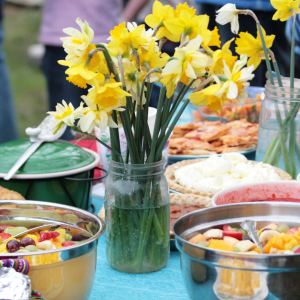
When planning a celebration of life, consider who will attend, where the ceremony will be held, the theme (if any), how long it will be, and any activities you want to include. If you plan for your celebration to last more than one hour, you might want to include refreshments. The overall focus should be on creating an uplifting environment.
Make the person you’re celebrating the focal point. If they are deceased, you might ask attendees to share photos and videos of happy moments they shared with the person. If you create a theme for your celebration, choose one based on the celebrated’s passions.
Things to consider:
- Location: A celebration of life can be held just about anywhere. You might choose the celebrated’s favorite park, restaurant, beach, garden, church, or event venue.
- Activities: Because celebrations of life are meant to be lighthearted, you might want to incorporate activities that reflect the celebrated person’s favorite past times.
- Food and drink: Having food and drinks at a celebration of life event isn’t necessary, but it’s a great way to bring people together and ensure everyone feels comfortable. Celebration of life food ideas include: having a potluck, serving the celebrant’s favorite treats, or having a catered buffet.
- Music: Music is a wonderful way to set the tone for a celebration of life. It has the power to lift spirits and spark memories. Celebration of life music ideas include: having attendees send songs that remind them of the celebrated and creating a playlist from them, having a live band, and playing songs centered around joy and connection.
- Virtual options: Consider having a virtual celebration of life for immune-compromised celebrants or to unite people from multiple locations. You could also create a hybrid event by adding a video platform to your in-person celebration to make it more inclusive.
Celebration of Life Ideas for the Cancer Community
There are so many ways to celebrate a life beyond a traditional ceremony! The only limitation is your imagination.
Here are a few ideas for inspiration:
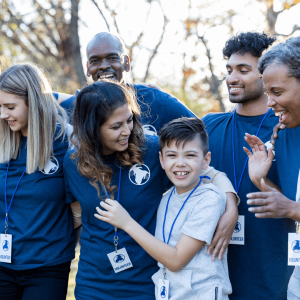
- Sign up for group volunteer service, or walks and runs to raise funds for cancer research organizations like The American Cancer Society.
- Put on a talent show, karaoke, or open mic night where attendees can let loose and have fun while honoring the person being celebrated.
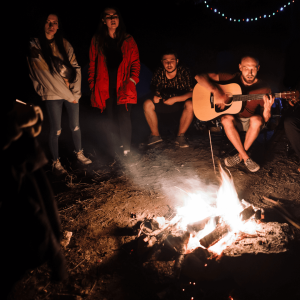
- Have a bonfire. Gathering around a fire is an innate social tradition that can bring a sense of calm, togetherness, and healing.
- Present celebration of life poems, speeches, memories, and anecdotes about the person being celebrated.
- Create a memory table to share photos and memorabilia, of the celebrated. Consider including a board for celebration of life quotes from attendees and a “memory of” guest book for people to sign.
- Collect photos and videos of the person you are celebrating and create a slideshow to play during the event where possible.
- Join yearly celebrations by the American Cancer Society, National Cancer Institute, National Cancer Survivors Foundation, and CancerCare in honor of the celebrated.
Celebrating Life Throughout the Cancer Journey
Celebrations of life are not just for the deceased. You can have celebrations of life at any stage of the cancer journey to cheer survivor wins or honor caregivers, create cancer awareness, or raise money for individuals or cancer organizations. Some survivors use celebrations of life to mark major milestones in their journeys, while others celebrate “cancerversaries.”
Cancer is a difficult journey—full of ups and downs and twists and turns—and can be isolating for anyone involved. For many people affected by cancer, gathering with loved ones and others on the same journey to celebrate each other can be life-affirming.
Sources
- American Cancer Society. Relay for Life
- CancerCare. Events
- Everloved. How to Plan a Celebration of Life
- National Cancer Survivors Day Foundation. About National Cancer Survivors Day